
The Engineering Reality of Evanston's Combined Sewer System
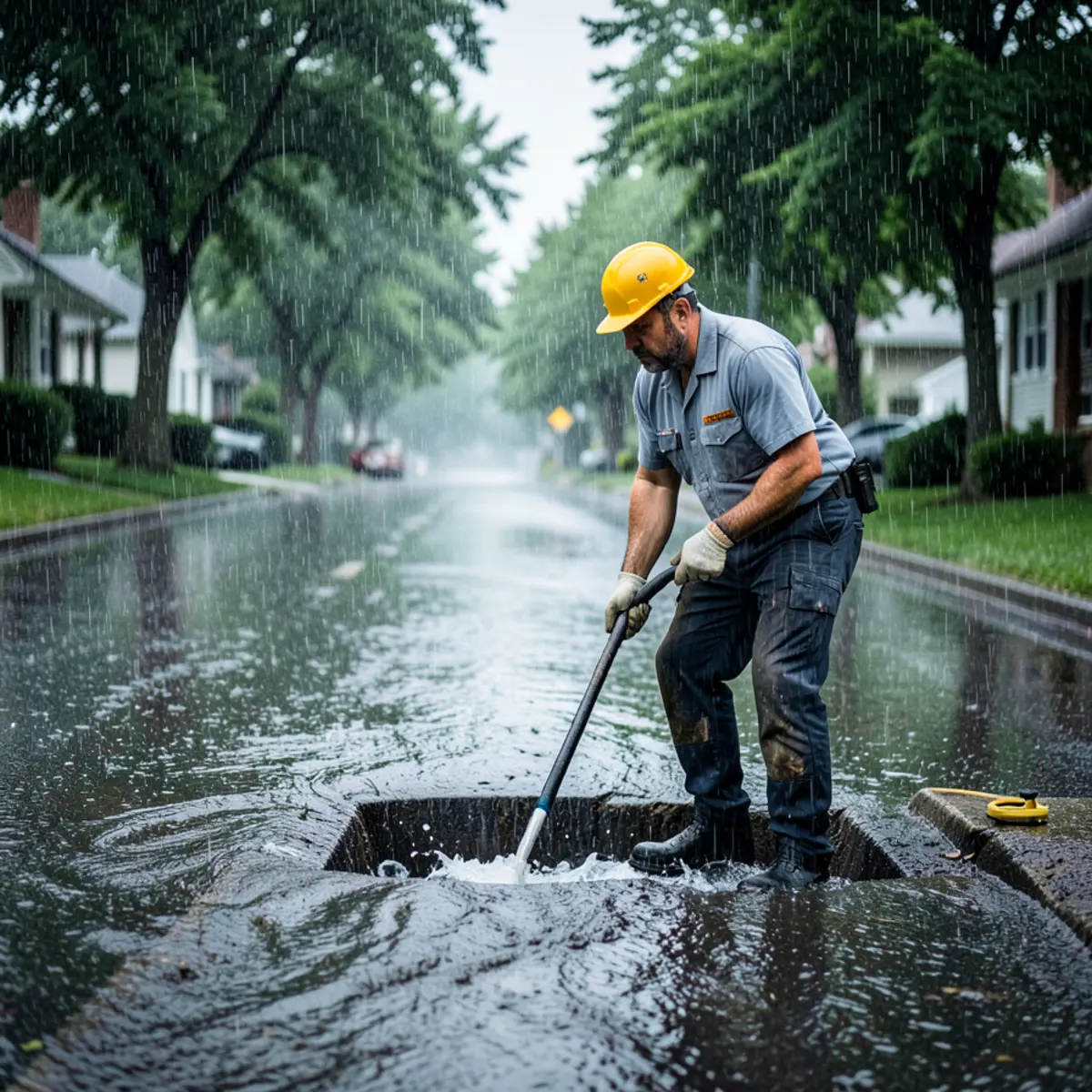
When a basement backs up on a sunny day, the cause is almost universally a physical blockage inside the private lateral—typically tree roots or cooking grease. But when water wells up from your basement floor drain specifically during a heavy summer thunderstorm or rapid lake-effect downpour, the culprit is rooted in municipal municipal infrastructure: Evanston's combined sewer system.
One Pipe for Both Sanitary Waste and Stormwater Runoff
Modern residential subdivisions built after the 1970s utilize two entirely separate pipe networks: a sanitary sewer for household wastewater, and a storm sewer for street gutter and roof rainwater. The City of Evanston, established in the 19th century, operates a combined sewer network where every gallon of toilet wastewater and every thousand gallons of street rain runoff flow into the exact same municipal trunk line.
Hydraulic Surcharge: When City Mains Exceed Capacity
During sudden cloudbursts where 1 to 2 inches of rain fall in less than an hour, the volume of storm runoff entering street catch basins rapidly exceeds the physical capacity of the municipal main. When the city main fills completely, it transitions from gravity flow to a pressurized "surcharged" state. Hydrostatic pressure forces water backward up the private laterals connected to the street main.
Historical Background of 19th Century Combined Sewer Infrastructure
Evanston's underground sewer network was designed and installed primarily in the late 19th and early 20th centuries. At the time of construction, municipal civil engineers routed street runoff and household sanitary waste into single, combined collector pipes that discharged toward the Sanitary and Ship Canal and Lake Michigan. While this design was economical a century ago, contemporary urbanization, asphalt paving, and more intense storm bursts place extraordinary volumetric stress on these legacy collector pipes.
The Hydraulic Grade Line and Street Surcharge Explained
During dry weather, wastewater flows by gravity along the bottom invert of Evanston's street mains. However, when torrential storms dump several inches of rain in under an hour, street catch basins channel millions of gallons into the mains simultaneously. The volume quickly exceeds pipe capacity, causing the water level to rise inside manholes above the pipe crown. This elevated water level creates a pressurized 'hydraulic grade line' that pushes water backward up into connected private sewer laterals.
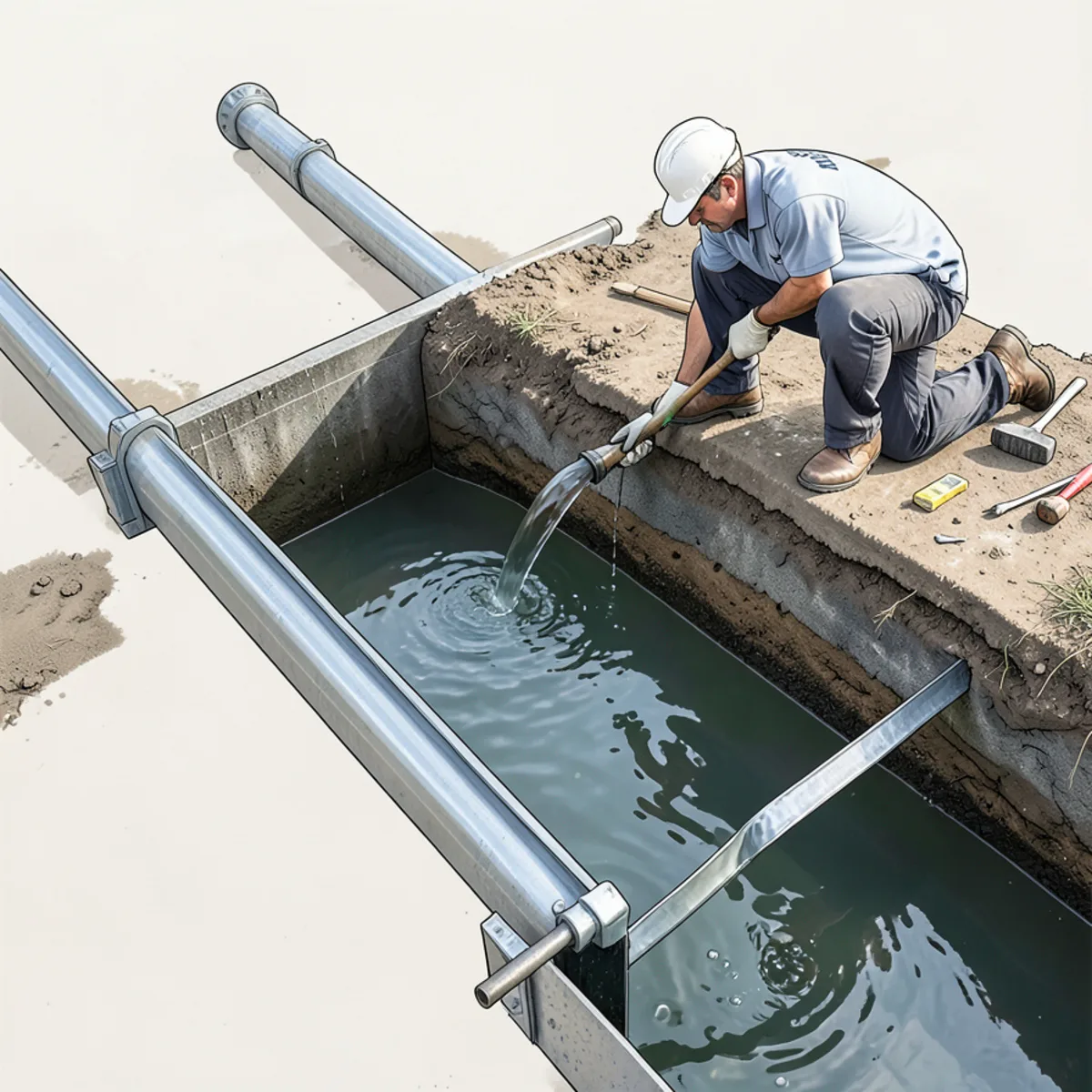
Need an On-Site Sewer Camera or Rodding Crew?
We dispatch directly from 2200 Main St with commercial rodding cables, carbide root cutters, and self-leveling optical cameras.
The Combined-Sewer Storm Playbook: Pre-Storm, Mid-Storm, and Post-Storm
To safeguard your home against combined sewer surcharges, follow our three-phase protocol:
- Before the Storm: Inspect your basement floor drain. Ensure the strainer is clear of debris. Locate your main sewer cleanout and make sure the cap is screwed on tight.
- During the Storm: Cease all household water use immediately. Do not run laundry or showers. If water begins pooling around the floor drain, take photos and videos for insurance documentation.
- After the Storm: Once street mains recede, call for a professional sewer camera scope to verify whether the private lateral has tree roots that amplified the backup.
Long-Term Solutions: Backwater Valves vs. Overhead Sewer Conversions
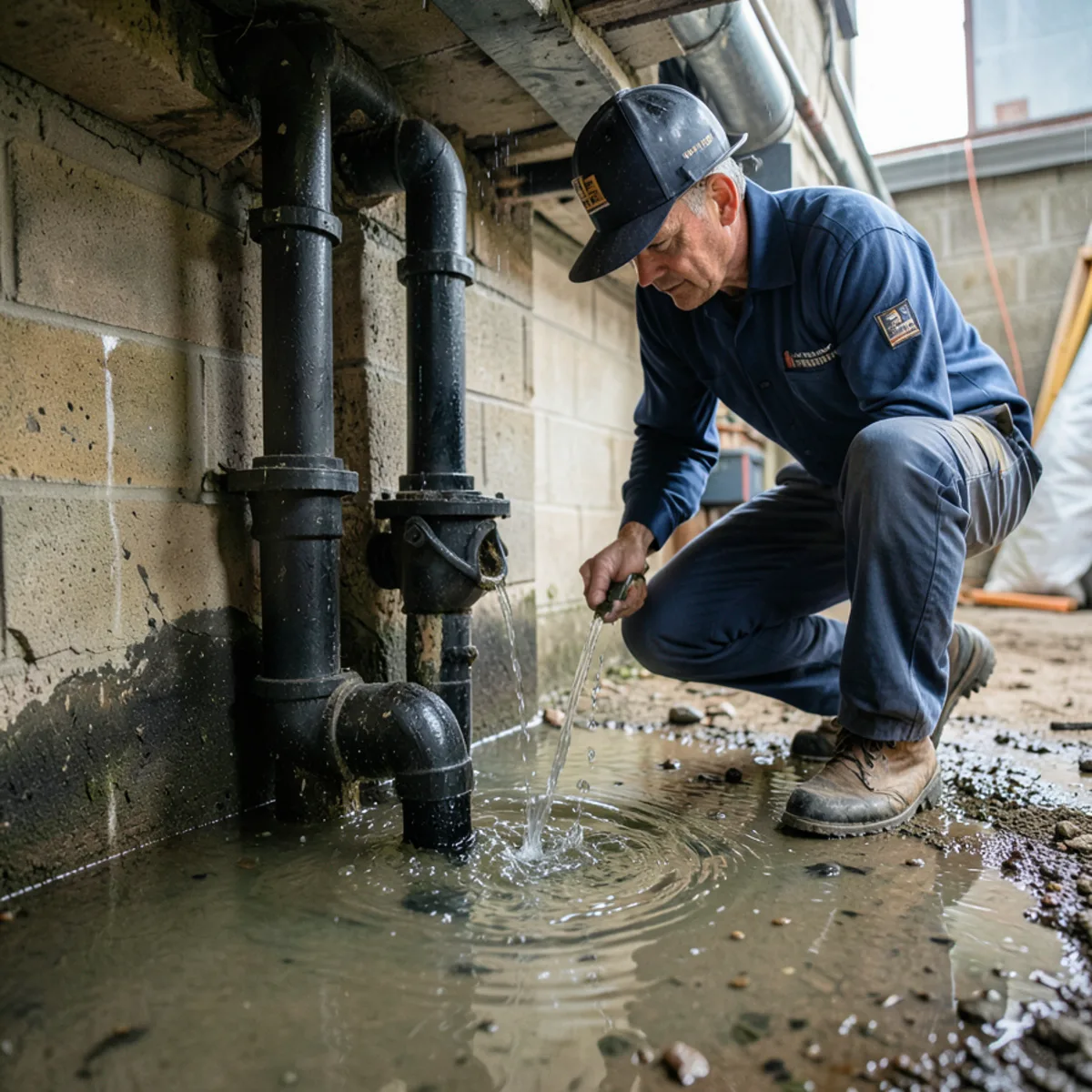
Evanston homeowners seeking permanent protection against storm surcharges have two primary engineering options:
| Retrofit Option | How It Operates | Protection Level |
|---|---|---|
| Inline Check / Backwater Valve | A mechanical flapper installed in the lateral that swings shut automatically when city water reverses direction | Cost-effective defense against municipal backpressure; requires annual maintenance |
| Overhead Sewer Conversion | Raises basement plumbing above ground level and routes wastewater to an ejector pit, eliminating gravity connections | Complete protection against municipal surcharge, even during 100-year storm events |
Municipal Assistance: Resolution 63-R-22
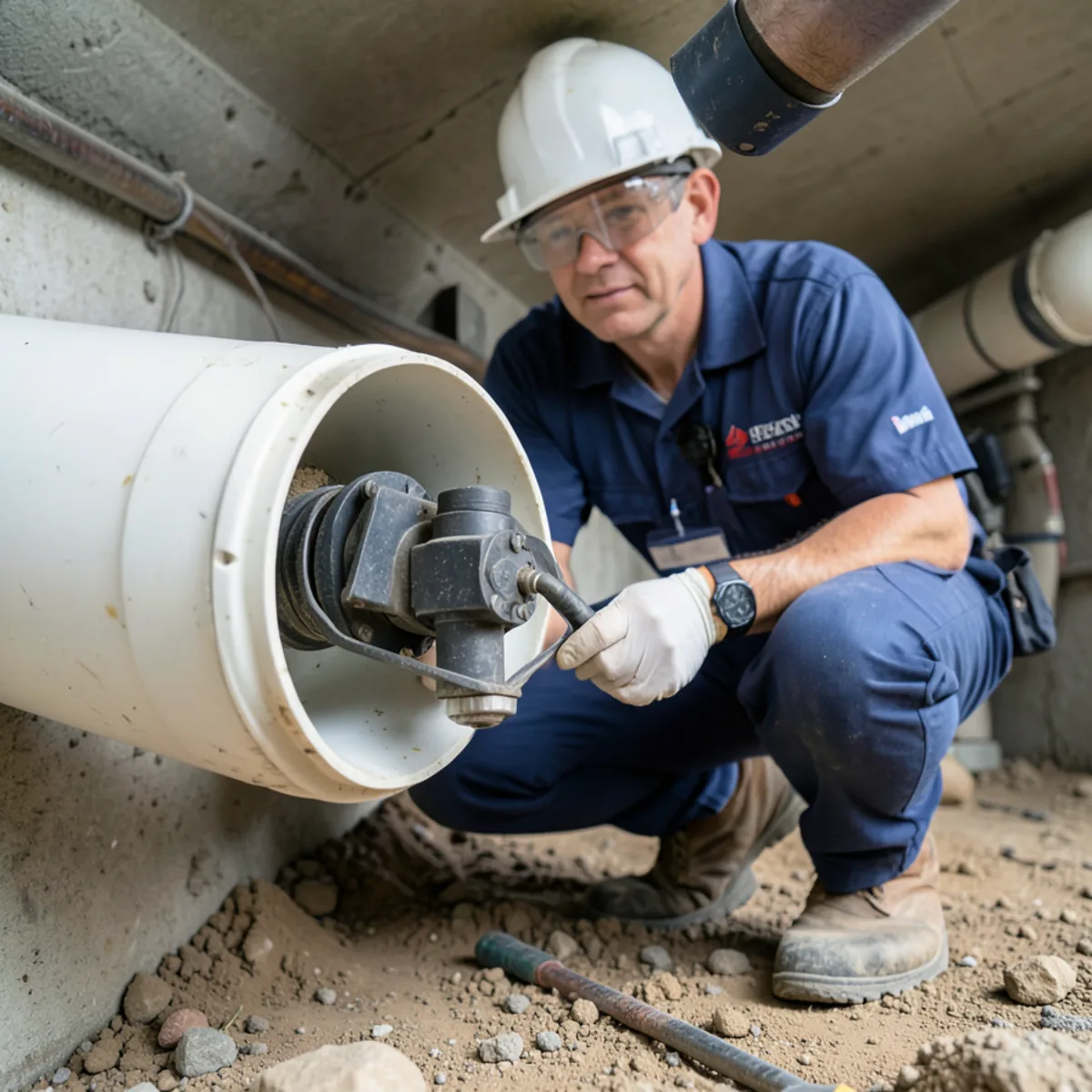
Evanston homeowners should be aware that the City of Evanston offers a Sewer Repair Financial Assistance Program (Resolution 63-R-22). This program assists single-family and duplex owners with the costs of lateral repairs that occur within the public right-of-way, covering eligible costs above $15,933 (or above $5,311 for qualifying income tiers). Always confirm program guidelines and permit requirements through the Evanston Permit Desk at 909 Davis Street.
Backwater Valves vs. Overhead Sewer Conversions: Protection Compared
Evanston homeowners seeking permanent protection against storm-induced combined sewer backups generally evaluate two engineering solutions:
| Feature / Aspect | Check / Backwater Valve | Full Overhead Sewer Conversion |
|---|---|---|
| Protection Mechanism | Mechanical flapper that swings shut under reverse flow pressure | Reroutes basement plumbing to overhead pipes pumped by ejector pit |
| Basement Plumbing Use During Storms | Fixtures cannot be used while valve is closed against street pressure | Basement and upstairs fixtures can be used safely at all times |
| Maintenance Requirements | Annual manual inspection and cleaning of the flapper seal | Routine maintenance of the sewage ejector pump and float switches |
| Typical Investment Range | $1,800 to $3,500 depending on cleanout depth and location | $8,000 to $15,000+ depending on concrete demolition and re-piping |
| City Grant Eligibility | Check current municipal flood control cost-share guidelines | Often eligible for municipal or MWRD flood-prevention subsidies |
Deep Tunnel (TARP) Hydraulic Timing and Evanston's Outfall Dynamics
A common question from Evanston homeowners is: 'Why did my basement back up when the Metropolitan Water Reclamation District (MWRD) has the Deep Tunnel?' The answer lies in hydraulic timing and conveyance limits. The MWRD Tunnel and Reservoir Plan (TARP) consists of over 109 miles of 30-foot-diameter deep rock tunnels bored hundreds of feet below the Chicago metropolitan area, discharging into massive reservoirs like McCook and Thornton. In Evanston, dropshafts along the North Shore Channel capture combined overflows. However, during localized cloudbursts where 2 to 3 inches of rainfall drop in under 60 minutes, the limiting factor is never reservoir capacity—it is the diameter of Evanston's street-level collector pipes. Street catch basins and 12-inch to 24-inch street mains become hydraulically engorged long before runoff can travel down to the deep dropshafts. The localized backup happens in the street in front of your home within 15 minutes of a storm cell hitting, surcharging your building drain before regional TARP gates can relieve system pressure.
The Compound Hazard: How Tree Roots Amplify Combined Sewer Backups
While municipal storm surcharges are caused by excessive rainwater in the street main, the severity of basement damage in older Evanston neighborhoods is heavily dictated by the condition of the private lateral. In pre-1950s clay tile laterals, mature maple, oak, and ash roots frequently enter bell-and-spigot joints. Under dry-weather conditions, a lateral that is 40% to 60% choked with root filaments will still drain a household toilet or shower by gravity without apparent symptoms. But when a torrential storm surcharges the city collector main, that restricted pipe bore becomes a critical bottleneck. As reverse pressure pushes street stormwater backward toward your foundation, the fibrous root mass traps solid waste and toilet paper, forming a tight hydraulic plug. Instead of water receding gradually as street mains drain, the plug holds the wastewater inside your basement floor drains, turning a minor puddle into thousands of dollars of biohazard contamination. Performing annual preventative rodding cuts these root collars flush with the pipe walls, ensuring your lateral maintains maximum velocity and discharge volume when summer cloudbursts strike.
Immediate Homeowner Action Plan When Evanston Streets Flood
When severe thunderstorms cause street gutters to overflow along Dempster, Main, or Central Street, take these defensive measures immediately:
- Do not run water: Any water you drain down sinks or toilets during a street surcharge has nowhere to go and will pool in your basement floor drain.
- Check your basement floor drain: If water is actively rising, ensure your furnace and water heater power switches are turned off if water approaches equipment burners.
- Disconnect downspouts: If your roof downspouts still drain directly into underground clay boot tiles, disconnect them to discharge onto your lawn at least 6 feet from your foundation.
- Call Centerline Rodding at (321) 559-0657: If your floor drain continues backing up after storm waters recede from the street, tree roots or grease are trapping water in your private lateral.